



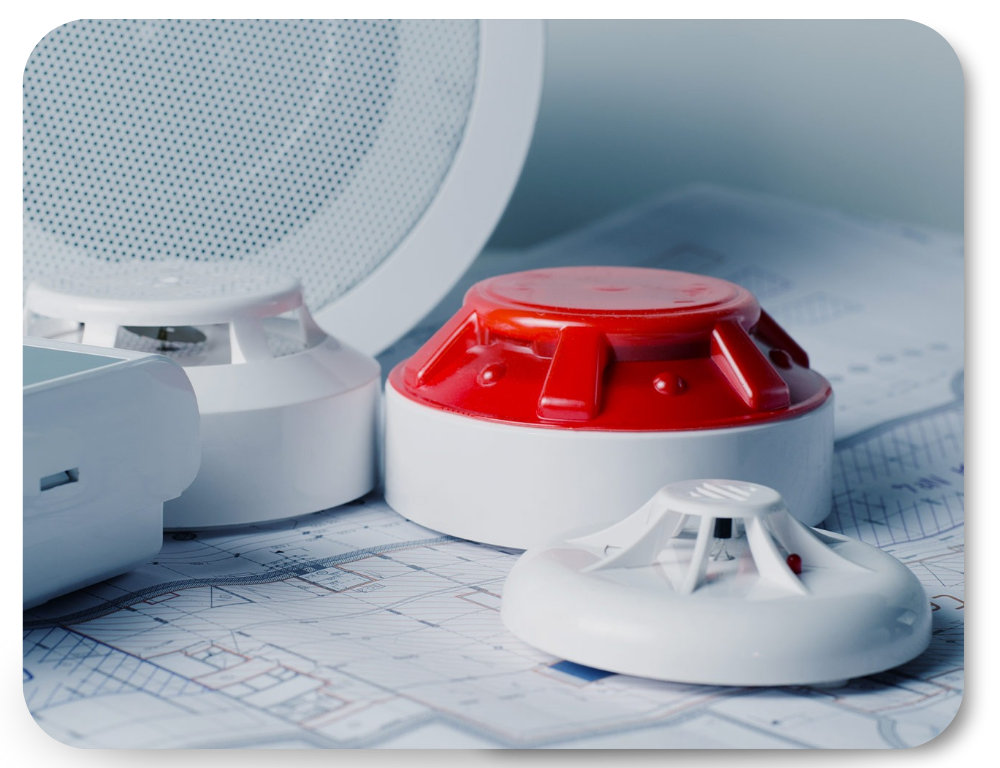
Installing fire alarm systems in London’s period properties presents unique challenges. From Georgian townhouses in Islington to Victorian terraces in Kensington and Edwardian mansion blocks in Maida Vale, these buildings combine irreplaceable architectural heritage with modern fire safety obligations. The Regulatory Reform (Fire Safety) Order 2005 mandates suitable fire detection systems, yet the installation method must preserve historic fabric and comply with listed building consent requirements.
This blog discusses wired versus wireless fire alarm systems specifically for period properties, helping property owners, landlords, and facilities managers make informed decisions that balance life safety with heritage preservation.
Understanding the Regulatory Framework
All non-domestic premises and communal areas of residential buildings require fire risk assessments and appropriate fire detection systems under UK law. The updated BS 5839-1:2025 standard, which came into force on 30 April 2025, provides comprehensive guidance for commercial and multi-occupancy residential premises. For domestic premises, BS 5839-6:2019+A1:2020 applies, with specific provisions for HMOs and blocks of flats. Historic England recommends L1/P1 category systems for listed buildings, providing maximum protection for both occupants and the building fabric.
Under the Planning (Listed Buildings and Conservation Areas) Act 1990, any alterations affecting a listed building’s special character require Listed Building Consent. This includes fire safety installations. Key principles include minimum intervention in historic fabric, reversible alterations where possible, compatible materials and methods, and early consultation with Conservation Officers during the planning process. Understanding these requirements before selecting a system type prevents costly delays and compliance issues.
Wired Fire Alarm Systems: Traditional Reliability
-
How Wired Systems Work
Wired fire alarm systems connect detectors, call points, and sounders to a central control panel via physical cabling. Conventional systems group devices into zones, while addressable systems assign each device a unique digital identifier for precise location identification. These systems offer exceptional reliability with no signal interference risks. The updated BS 5839-1:2025 mandates that all fire detection cables must now comply with BS EN 50575, with PH120-rated fire-resistant cable recommended for circuits critical to life safety.
-
Advantages for Period Properties
Once installed, wired systems require minimal battery replacement and lower maintenance costs. Mains-powered devices with battery backup provide continuous protection without regular battery changes. Addressable wired systems integrate seamlessly with building management systems, emergency lighting, and fire suppression systems, particularly valuable for larger period properties converted to commercial or residential use. For property managers overseeing extensive portfolios, this integration capability simplifies building operations and monitoring.
-
Challenges in Period Properties
Running cables through historic buildings often requires lifting floorboards, chasing walls, or installing surface trunking. This can damage original plasterwork, cornices, and timber panelling, features that contribute significantly to a building’s listed status. Visible cabling and surface-mounted containment systems typically require Listed Building Consent. The installation process may need to accommodate conservation requirements, potentially increasing complexity and cost. Red-sheathed fire-resistant cables and surface-mounted conduit can compromise interior aesthetics, creating visual intrusion in period interiors where original decorative schemes must be preserved.
Wireless Fire Alarm Systems: Heritage-Friendly Innovation
-
How Wireless Systems Work
Wireless fire alarm systems use radio frequency signals to communicate between battery-powered devices and a central control panel. Modern systems operate on the 868MHz frequency band, dedicated to fire and security applications to minimise interference. These systems eliminate the need for extensive cabling between devices, preserving original plasterwork, panelling, and decorative features. This aligns with Historic England’s principle of minimum intervention in listed buildings, making wireless solutions increasingly popular for heritage properties across London.
-
Advantages for Period Properties
Installation is significantly faster with minimal structural disruption. Devices can be positioned optimally without cable routing constraints, and systems can be easily reconfigured if building layouts change. With minimal physical alteration to the building fabric, wireless systems often face fewer regulatory hurdles. The only cabling required is from the control panel to mains power and occasional signal boosters. This reduced infrastructure requirement often expedites Listed Building Consent approval, allowing faster project completion.
Period properties frequently undergo phased renovations or change use over time. Wireless systems accommodate additions and modifications without rewiring.
Considerations and Limitations
Devices require battery replacement approximately every three years, though modern lithium batteries offer extended lifespans. Self-monitoring systems alert when battery levels decline. Professional wireless surveys are essential to ensure adequate signal strength throughout the building. Thick walls, metal structures, or interference sources may require signal boosters or additional aerials.
-
Comparative Analysis: Making the Right Choice
| Factor | Wired Systems | Wireless Systems |
|---|---|---|
| Installation Disruption | High—requires chasing walls, lifting floorboards | Minimal—no inter-device cabling |
| Listed Building Consent | Likely required for visible works | Often simpler approval process |
| Historic Fabric Impact | Potential damage to original features | Preserves architectural integrity |
| Long-term Reliability | Very high—mains powered | High with proper maintenance |
| Maintenance Requirements | Lower—battery backup only | Higher—regular battery changes |
| Scalability | Complex—requires rewiring | Simple—add devices easily |
| Initial Cost | Higher installation, lower equipment | Lower installation, higher equipment |
| Aesthetic Impact | Visible cables/trunking | Discreet, minimal visual intrusion |
2025 Regulatory Updates: What Period Property Owners Must Know
-
BS 5839-1:2025 Cable Requirements
The April 2025 revision of BS 5839-1 introduces stricter cabling standards. All fire alarm and low-voltage mains supply cables must now be fire-resistant and red in colour for identification. Enhanced (PH120) fire-resistant cable is required for multi-storey systems, hospitals over 30m, or where risk assessments dictate. This creates particular challenges for period properties where concealing red cabling within historic interiors is difficult. Wireless systems circumvent this requirement for inter-device communications, though mains supplies to control panels must still comply.
-
Detection in Sleeping Areas
The updated standard now recommends smoke or multi-sensor detectors in sleeping areas rather than heat-only detectors, unless fire risk assessments justify otherwise. This applies to hotels, student accommodation, and residential care premises within converted period buildings.
-
System Modifications
Any extensions or modifications to existing systems must now be assessed against current BS 5839-1:2025 standards, not the version in place when originally installed. This affects upgrade projects in historic buildings where legacy panels are retained, requiring careful evaluation before system expansion.
Professional Installation Considerations
-
Competency Requirements
Since October 2023, the Building Safety Act 2022 requires that anyone conducting fire risk assessments or designing fire alarm systems must be competent, possessing sufficient training, experience, and knowledge. For period properties, additional expertise in heritage building conservation is invaluable.
-
Recommended Approach for Period Properties
We recommend engaging with local authority conservation officers before finalising system design to understand consent requirements and acceptable installation methods. Consider combining wireless detection devices with hardwired control panels where mains power is available, or using wireless as a temporary system during phased renovations. Select detectors and sounders with finishes complementing period interiors. Some manufacturers offer heritage-style bezels and covers that reduce visual intrusion. Maintain comprehensive records of all installations, including “as-fitted” drawings and cable routing details, as required by BS 5839-1:2025 Section 7.
Conclusion
For period properties in London, wireless fire alarm systems often present the optimal balance between regulatory compliance and heritage preservation. The minimal fabric disruption, faster installation, and flexibility for future modifications align with conservation principles while meeting modern fire safety standards. However, wired systems remain appropriate for new renovations where cabling can be concealed, or where maximum long-term reliability is paramount. The key is engaging experienced professionals who understand both fire safety engineering and heritage building conservation.
FRA London specialises in fire alarm certifications for period properties across all London districts, offering both wired and wireless solutions tailored to your building’s specific heritage and safety requirements. Our accredited engineers are experienced in navigating Listed Building Consent processes and working within conservation guidelines. Contact us for a free consultation and wireless survey to discuss your period property’s fire safety needs.
Frequently Asked Questions
Do I need Listed Building Consent to install a fire alarm in a period property?
Yes, if your property is listed or located within a conservation area, you will likely need Listed Building Consent for fire alarm installation. Wired systems typically require more extensive consent due to visible cabling and structural alterations, while wireless systems often face simpler approval processes because they preserve original fabric.
Which fire alarm system is best for Grade II listed buildings in London?
Wireless fire alarm systems are generally recommended for Grade II listed buildings in London because they minimise disruption to historic fabric. They eliminate the need for chasing walls or lifting floorboards, preserving original plasterwork, cornices, and timber features. However, the optimal choice depends on your specific building layout, existing mains power availability, and whether major renovations are planned.
Are wireless fire alarms reliable enough for HMO period properties?
Yes, modern wireless fire alarm systems are reliable for HMO period properties when properly designed and maintained. They comply with BS 5839-1:2025 and offer 868MHz dedicated frequency communication with minimal interference. However, they require professional wireless surveys to ensure adequate signal strength through thick Victorian walls, plus battery replacement every three years.
What fire alarm category do I need for a period property converted to flats?
Period properties converted to flats typically require Category A LD2 or L1 systems under BS 5839-6:2019+A1:2020, depending on building height and layout. LD2 provides detection in all circulation areas and high-risk rooms, while L1 offers maximum protection with detectors in all areas including living rooms and bedrooms. For blocks of flats over 11 metres or with complex escape routes, L1 systems are recommended.